
E-commerce scalability is a major challenge for any company wishing to scale up without compromising service quality. Efficient logistics, the right tools and optimized processes are the keys to sustainable e-commerce growth. Find out how to structure your business for controlled, frictionless expansion.
Growing your e-commerce business is an ambition shared by many merchants. However, as order volumes increase, management complexity can quickly put the brakes on this momentum. E-commerce scalability isn’t just about selling more, it’s about sustaining this growth without blowing your costs or losing efficiency.
- What is scalability in e-commerce?
- Why is scalability a strategic issue?
- Classic obstacles to e-commerce scalability
- What are the keys to scalable e-commerce?
- How do logistics directly impact your scalability?
- When should you think about scalability in e-commerce?
- Shippingbo: a solution for e-commerce scalability
This article provides a comprehensive overview of best practices for structuring e-commerce, streamlining scalable logistics and building a scalable supply chain. Our aim is to help you scale your e-commerce business in a sustainable way, thanks to solutions such as Shippingbo, a comprehensive tool for automating e-commerce orders and optimizing your flows.
What is scalability in e-commerce?
Before embarking on an e-commerce growth strategy, it’s essential to understand what scalability really is, and why it makes all the difference in a competitive environment.
Simple definition and business challenges
E-commerce scalability refers to a company’s ability to absorb growth in order volume without a proportional increase in operating costs. The aim is to generate more sales while maintaining a high level of logistics performance and customer satisfaction.
A scalable e-commerce business can expand into new sales channels, diversify its offering and manage order peaks without disrupting its operations.
Scalability ≠ gross growth: notion of large-scale profitability
It’s crucial not to confuse raw growth with scalability. Rapid growth, if left unchecked, can lead to logistical disorganization, delivery delays and, ultimately, loss of customers.
Scalability aims to increase business volume while keeping costs under control. This means investing in scalability solutions, such as an integrated e-commerce logistics platform capable of handling increasing volumes without friction.
Why is scalability a strategic issue?
At a time when competition is fierce, e-commerce scalability is no longer an option, but a real strategic lever for ensuring the sustainability and profitability of your business.
Absorbing growth without disrupting the business
Without a solid structure, increasing sales can quickly turn into a logistical nightmare. Friction-free growth depends on an organization that can absorb a larger volume of orders, without multiplying errors or delays.
By automating time-consuming tasks such as order management, you can ensure a smooth, efficient ramp-up.
Maintain quality, customer satisfaction and responsiveness
As volume rises, it becomes essential to guarantee an impeccable customer experience. Logistics performance is at the heart of this satisfaction. Rapid delivery, order tracking, simplified returns management: every step must be mastered to ensure customer loyalty, even in busy periods.
A well thought-out e-commerce logistics solution can meet these challenges, while maintaining the expected quality of service.
Keep operating costs down
Scalability goes hand in hand with operational efficiency. Scaling up doesn’t have to mean uncontrolled cost increases, particularly in terms of e-commerce flow management and human resources.
E-logistics automation is the best way to reduce preparation and dispatch costs, while increasing the volume processed without hiring at each growth peak.
Classic obstacles to e-commerce scalability
Before considering an e-commerce scalability strategy, it’s crucial to identify the obstacles that are holding your business back. These structural impediments can limit your ability to absorb e-commerce growth smoothly and profitably. Here are the main bottlenecks faced by companies looking to scale their e-commerce business.
Manual processes (preparation, order management, etc.)
Many SMEs still rely on manual processes to manage order picking and stock tracking. Manual data entry, whether on spreadsheets or via unconnected systems, multiplies the risk of errors. These repetitive operations slow down processing and hamper logistics performance, especially as volumes increase.
To guarantee frictionless growth, it is essential to implement automated order management, based on an OMS solution capable of centralizing flows and reducing human intervention.
Non-automated logistics
Non-automated logistics quickly become an obstacle to e-commerce scalability, particularly in a scalable multi-channel e-commerce context. Without the support of an OMS WMS TMS solution, stock synchronization is complicated, preparation errors multiply, and shipping times lengthen.
To support e-commerce growth, it is essential to automate preparation and shipping using dedicated tools such as a WMS for warehouse management and a TMS for carrier selection and tracking. This e-logistics automation helps maintain a constant level of service, even during order peaks.
Team overload
As order volumes increase, in-house teams can quickly become overwhelmed. Without automation or partial outsourcing via e-commerce logistics providers, staff spend more time on low value-added operational tasks.
This overload generates fatigue, human error and lower productivity, jeopardizing service quality and customer satisfaction. To avoid this bottleneck, it is advisable to structure your flows with an e-commerce logistics platform, to lighten the load on your teams and gain in operational efficiency.
Lack of visibility on flows
Another major obstacle to e-commerce scalability is the lack of visibility over all operations. Without unified e-commerce management, it becomes difficult to monitor the status of inventory, shipments and returns in real time. This logistical opacity complicates decision-making, making it impossible to anticipate resource requirements, optimize costs or effectively manage e-commerce flows.
An integrated e-commerce logistics solution, such as Shippingbo, provides this real-time visibility, centralizing all data on a single interface for precise, responsive management.
What are the keys to scalable e-commerce?

Scaling up requires the activation of several strategic levers, including automation and optimization of connected logistics.
Automate order management (OMS)
The first lever is the implementation of an OMS (Order Management System). This software centralizes orders from your multi-channel e-commerce channels (website, marketplaces, stores). It automates their processing and ensures efficient automated order management, limiting errors and speeding up processing.
Optimize preparation and dispatch (WMS/TMS)
The second lever is based on optimizing order preparation and dispatch via a WMS (Warehouse Management System) and a TMS (Transport Management System).
The WMS organizes warehouse flows: picking, packing, inventory management. The TMS selects carriers according to precise rules, issues labels and tracks parcels. Together, they guarantee scalable, fluid and high-performance logistics.
Rely on reliable logistics service providers
Delegating all or part of your logistics needs to e-commerce logistics service providers is another way to gain flexibility. These partners, already equipped with high-performance tools, can absorb volume peaks or manage specific operations such as returns, while meeting your deadlines.
Centralize management via a unified solution
Finally, effective e-commerce management requires a unified solution capable of coordinating all logistics operations. An integrated e-commerce logistics platform, such as Shippingbo, enables flows, stocks, shipments and returns to be managed via a single interface, simplifying operational management.
How do logistics directly impact your scalability?

Logistics are at the heart of e-commerce scalability. Mastering it will determine an e-merchant’s ability to grow with confidence.
The true cost of manual logistics
Logistics that are still too dependent on manual processes generate significant additional costs: preparation errors, over-stocking, out-of-stocks, extended processing times. These dysfunctions have a direct impact on your profitability, as they generate operational costs that are invisible at first glance, but real over time.
Automation as a lever for volume
Conversely, e-logistics automation makes it possible to process more orders, without massive recruitment. It ensures controlled management of order peaks and an increase in volume without loss of quality.
These tools enable e-tailers to meet the demands of e-commerce growth, while keeping costs under control.
Flexibility through connected service providers
Last but not least, surrounding yourself with connected logistics service providers enables you to adapt rapidly to variations in activity, launch new products or integrate new sales channels without overhauling your entire logistics. This is the key to a scalable supply chain, ready to support expansion.
When should you think about scalability in e-commerce?

There’s no one-size-fits-all threshold, but there are certain signs that should alert you to the need for a well-structured e-commerce growth strategy.
As soon as volumes increase
s soon as your order volume exceeds your current manual processing capacities, it’s time to automate and scale your e-commerce with appropriate solutions.
As soon as multi-channel becomes cumbersome
If managing multiple channels (website, marketplaces, points of sale) becomes difficult to centralize, a scaler solution like Shippingbo will enable you to keep control of your e-commerce flows.
As soon as logistical errors get in the way of growth
Errors in preparation, shipping delays and too many returns are holding back customer loyalty. Now is the time to secure your logistics performance with e-commerce order automation and centralized management.
Shippingbo: a solution for e-commerce scalability
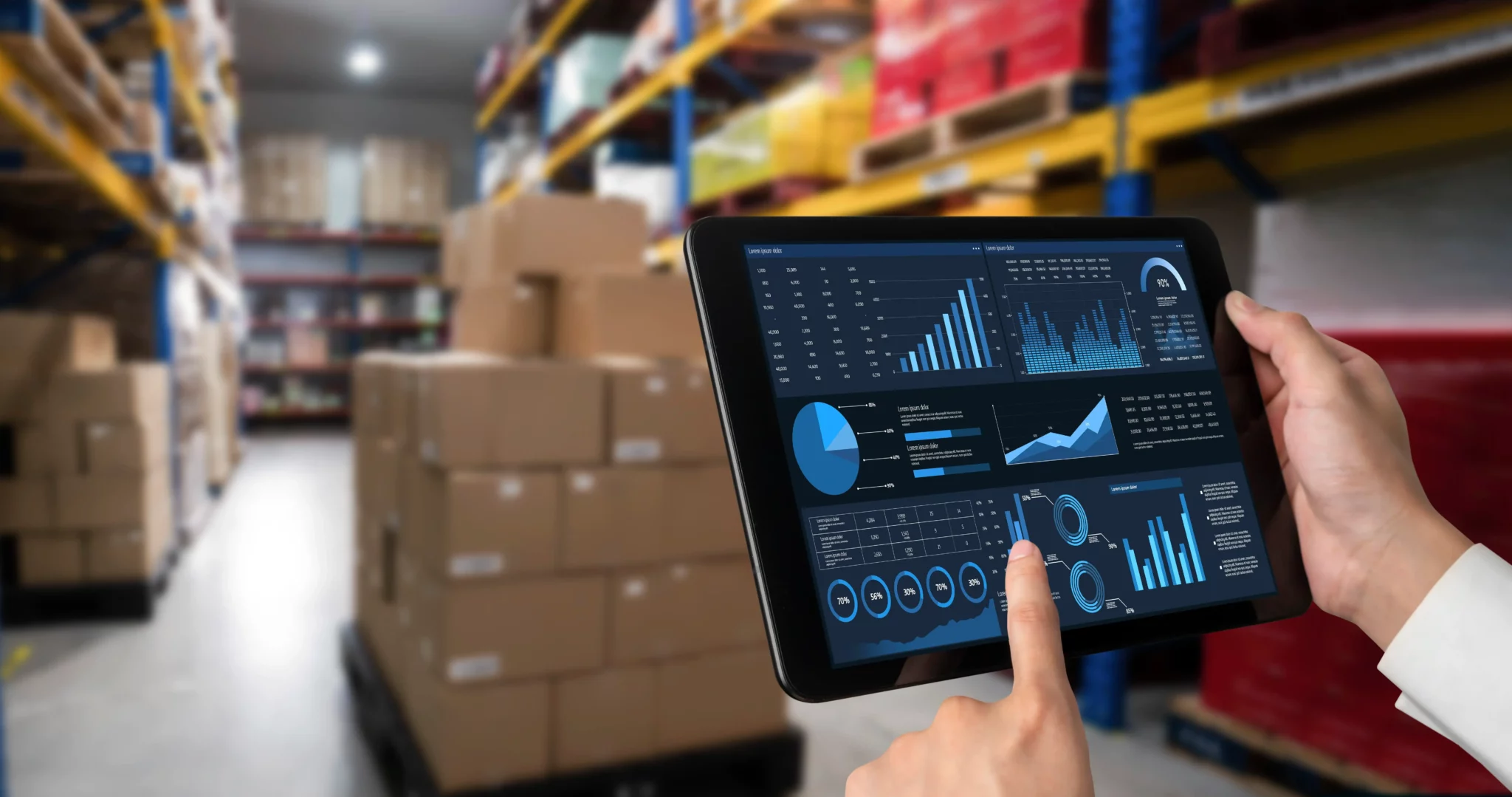
To support e-tailers in their frictionless growth, Shippingbo offers an integrated e-logistics solution designed for scaling.
Integrated OMS / WMS / TMS
With Shippingbo, you benefit from a complete suite: centralized OMS, WMS and TMS. This integration enables total automation of order management, from picking to shipping and returns management.
Logistics provider network
Shippingbo connects its customers to an extensive network of e-commerce logistics providers, facilitating outsourcing and the extension of processing capacity, both in France and internationally.
Order automation, parcel tracking, returns
Each order is automatically transmitted, tracking is integrated and accessible to your customers, and returns management is simplified. As a result, you can increase productivity by up to 50%, while delivering an impeccable customer experience.
E-commerce scalability isn’t just for big business. With solutions like Shippingbo, even SMEs can structure their logistics, automate their flows and scale their business with peace of mind.
Request a free demo today and discover how Shippingbo can propel your frictionless e-commerce growth.
